Chronic Disease? There’s An App For That: 11 Hot Techs To Watch

(NEHI)

Fifty percent of Americans have some sort of chronic disease, from high blood pressure to diabetes to asthma, and their care accounts for some 75 percent of the nation’s medical costs.

So the more powerful our arsenal for treating chronic diseases, the better, right? Especially if the weapons can be as simple as an app or a little desktop gadget. NEHI, a national health policy institute based in Boston, has just put out a report on what’s new and what’s coming soon in technology for chronic disease patients, and many of the ideas sound so cool that they prompt my familiar lament: “Why is our health care system not already doing a lot more of this?” Also, “Where do I sign up?”

“These tools help the patient take their care into their own hands,” said Erin Bartolini, NEHI’s lead researcher on Getting to Value: Eleven Chronic Disease Technologies to Watch. “They can better understand their disease, have more educated discussions with their health care providers. It can really empower the patient to take control.”

She kindly translated the full run-down of all 11 hot new technologies into easy-to-understand terms. They are categorized based on the available data on how well they work and how much money they save:

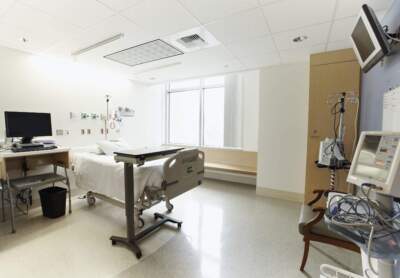
Extended Care eVisits – If you’re a patient in a nursing home or other long-term facility, you can converse with a doctor through a video portal on a pushcart or a robot.

Home Telehealth – Once you leave the hospital or doctor’s office, and you go home to manage your chronic disease in your daily life, you can monitor it with tools — such as desktop devices that measure blood pressure or blood sugar levels — and send the data automatically to your doctor, to catch issues early.

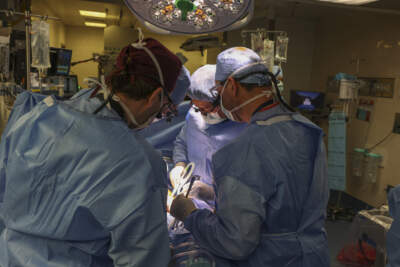
Tele-Stroke Care – If you’re having a stroke and you go to a hospital that has this technology — a “telemedecine” connection to a hub center staffed by stroke specialists — they can offer an expert assessment of how you should be treated.

(NEHI)

Mobile Clinical Decision Support- Using devices such as tablets or smartphones, doctors can access the latest protocols or treatment regimens for their patients.

Virtual Visits – As a patient, you can be seen via video by your doctor through a Web portal, whether on your own personal computer or a tablet or smartphone.

(NEHI)

Mobile Diabetes Management Tools - If you’re a diabetic, this is the next generation of glucose monitor: You gather your data through your phone or a device that connects to it, and you can transmit it in real-time to your doctor. You can also quickly get feedback or educational materials.

Medication Adherence Tools – If you’ve been prescribed medication, your smartphone or other new technology — including “smart pill caps” — can give you real-time reminders to take your medicine. And if you don’t, they can send a message to your doctor to follow up with you.

Mobile Asthma Management Tools – If you have asthma, you could attach a GPS tool to your asthma monitor so that whenever you use your inhaler, it logs where and when you used it. You can then start to figure out whether certain environmental factors like allergens or pollutants trigger your asthma attacks, and share that data with your doctor.

(NEHI)

In-Car Telehealth – Cars with the latest information technology could monitor your heart rate or blood glucose level, or alert you to asthma triggers. The car system might, for example, tell you to pull over if your blood glucose level gets too low, or automatically close its vents if you’re driving through an area with a high pollen count.

Social Media Promoting Health – All sorts of new social media platforms, from online meeting places to Facebook pages, can connect you with other patients to learn about your care regimen. Social media sites can also give you small actions you can take on a daily basis to lead a healthier lifestyle.

Mobile Cardiovascular Tools – Similar to other disease monitoring tools: If you have heart disease, a blood pressure monitor could connect to your mobile phone and log data that could be transmitted to your doctor.

Readers, have you tried any of these already? Have they helped with your chronic disease?

  • Vegan-Magazine.com

    Why do people put up with “managing” and suffering with a chronic disease, when all they have to do is change what they eat?  Chronic disease is caused by chronically eating wrong.  If you eat right, you’ll be healthy, happy and vibrant.  All chronic disease is caused by consuming inflammatory animal-derived foods (meat, poultry, fish, eggs, cheese, milk and other dairy products).  Good health is caused by eating an anti-inflammatory plant-based vegan diet (fruit, greens, vegetables, potatoes, herbs, spices, beans, lentils, peas, and gluten-free whole grains such as brown rice, quinoa, oatmeal, etc.).

    • sigh

      ignorance at its finest. 

  • Reasonable?

    It’s realitively easy to write a flashy app that demos well.
    It’s hard to write an app that quantifability improves outcomes on a given condition.
    Apps raise new challenges like alert fatigue from daily pill reminders, data overload when doctors get pinged with alerts from patients diabetes monitors, not mention plain ole usability.

    In addition many chronic diseases like diabetes and asthma may be reversible……where the app for that?

    • Leah Moynihan

       As an adult who was diagnosed 30 years ago with diabetes, I have found new technology to be extraordinarily helpful in managing data, which I can then share with my MD. I have apps for counting carbs (which I use to calcuate my insulin dose), I have an app that syncs with a blood glucose meter, and I have a number of software and internet programs as well. My diabetes is NOT reversible and I’m all for flashy apps. The apps that are duds will go un-used, but the great ones make my day to day life so much easier.